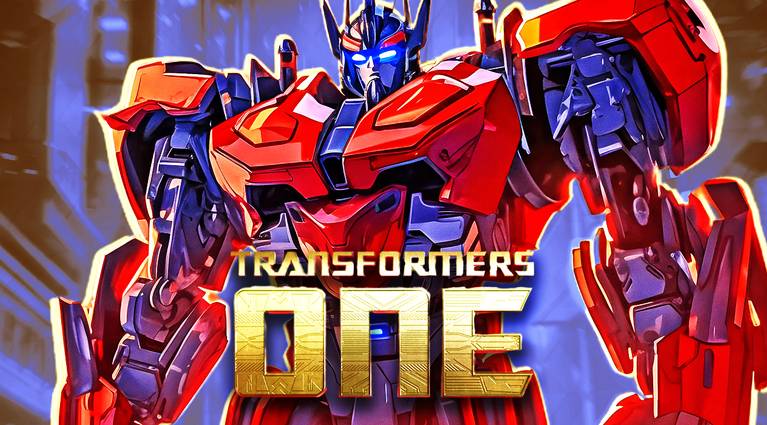
Transformers One Trailer, Release Date, Cast & News to Know
The trailer for Transformers One has been released, giving viewers a glimpse at the early days of the Autobots and Decepticons in the animated film.

The trailer for Transformers One has been released, giving viewers a glimpse at the early days of the Autobots and Decepticons in the animated film.

Dune: Part Two helmer Denis Villeneuve talks about the infamous and viral popcorn bucket promoted ahead of his hit sci-fi flick.

X-Men '97 digs deep into comic book lore, embracing bold narratives. But this tactic could be the key to further expanding the MCU.

Dragon Ball fans are quickly to dismiss Goku as a subpar parent, but there's plenty of evidence that suggests that he's actually a quality father.
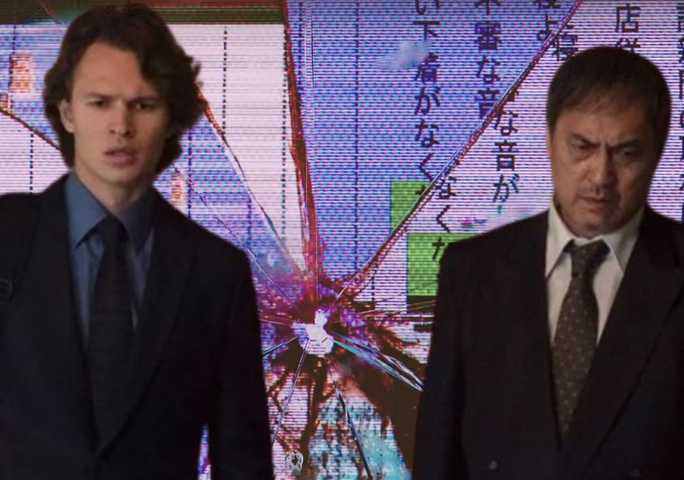
The Season 2 finale of Max's Tokyo Vice closed many doors, but managed to open up some new ones that could pave the way for future stories.
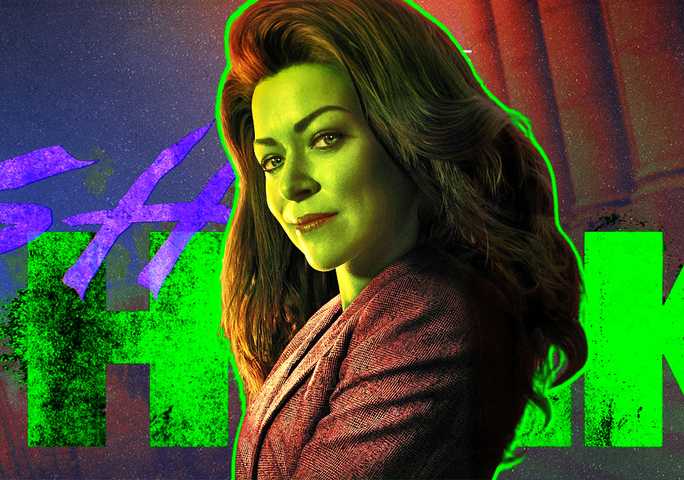
Calling Bob Iger "completely out of touch," Tatiana Maslany reflects on her comments during the Hollywood strike.

Law & Order Season 23, Episode 10, "Inconvenient Truth" is a reminder of what made the NBC show's original run great - but still has its problems.
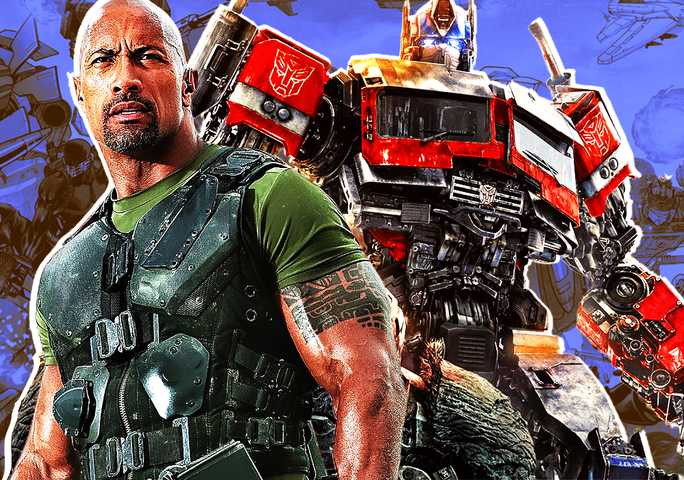
Paramount is planning a crossover between Transformers and G.I. Joe, but both franchises need a fresh start and successful movies before this happens.
While artificial intelligence (AI) has become a relevant topic, shows like Westworld and Black Mirror have presented its dangers and possibilities.

Big Hero 6 producer Roy Conli reveals the main factor deciding whether the beloved 2014 Disney animated movie gets a theatrical sequel.

The planned follow-up series for The Office has found the first two members of its ensemble cast.

Zack Snyder says he wanted 2003's S.W.A.T. to look like 300, revealing what went wrong when he pitched the concept.

Dragon Ball anime studio Toei Animation unearths Frieza's first anime appearance from over 30 years ago, cementing the villain's legacy forever.

Spider-Boy's worst enemy, Madame Monstrosity, is forcing him to relive the darkest chapter of his life - and there is nothing he can do about it.

Need more fantasy highjinks? Netflix has a show that gives off the same roller coaster of drama and fun as Dungeons and Dragons: Honor Among Thieves

Ryan Gosling will embark on a new space adventure, and his film has just revealed its release date.

Gladiator II star Joseph Quinn speaks on his villainous role in the anticipated sequel and his on-set experience while making the Ridley Scott film.

The Star Wars movies and shows offer a glimpse into a sprawling and exciting sci-fi world. But are the canon books necessary to read as well?

Adult Swim debuts the first clip from My Adventures With Superman Season 2, which sees Clark Kent having an intense chat with his Kryptonian father.
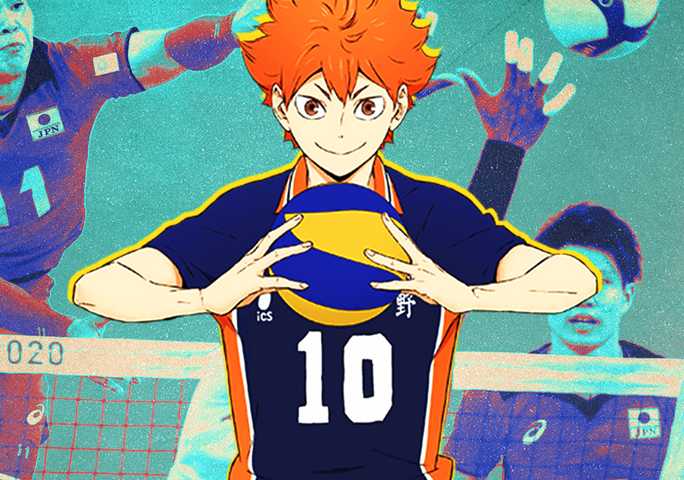
Fans can find a whole new appreciation for Haikyuu and the standard it set for sports anime to come.

The president of Naruto's studio Pierrot says Japanese anime self-censoring for overseas popularity will backfire, adding "no one will want to watch."